Researching Lithium-Ion Power Options for Our Board (11/11/2025)

Over the past month, our team has been exploring different ways to power our embedded module platform using a lithium-ion battery. Since portability is an important goal for the ComIoT system, finding a reliable and efficient battery solution is a key part of our design process.

During our research, we identified an important requirement: a standard lithium-ion cell outputs around 3.7V, which is higher than what our board safely supports. Our hardware operates within a range of 2.2V to 3.6V, meaning we need a voltage regulator to step the lithium-ion battery down to a stable output.

We’ve been evaluating different regulators and power management options to ensure the board receives clean, consistent power without introducing noise or instability. This includes looking at low-dropout regulators (LDOs), buck converters, and integrated power management modules.

Finding the right solution will help us move closer to a fully portable, battery-powered version of the platform. More updates coming soon as we test and finalize our power design choices!
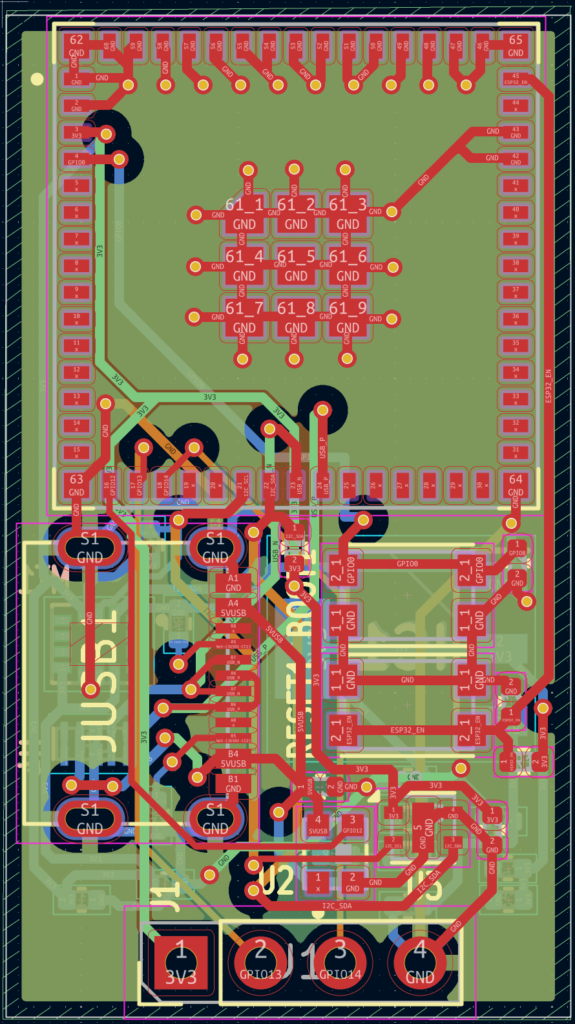
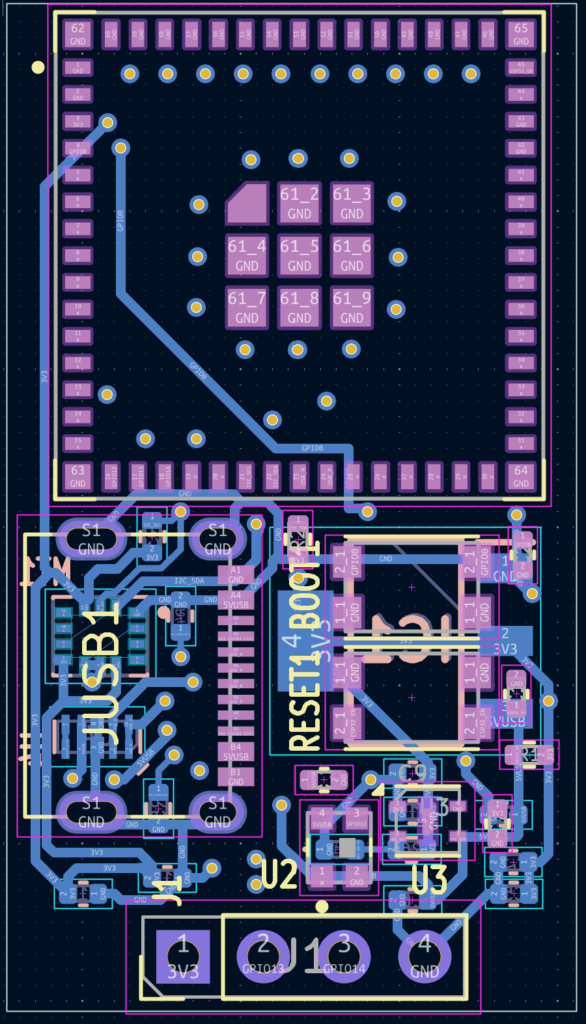
Preparing and Submitting Our PCB Order (11/5/2025)

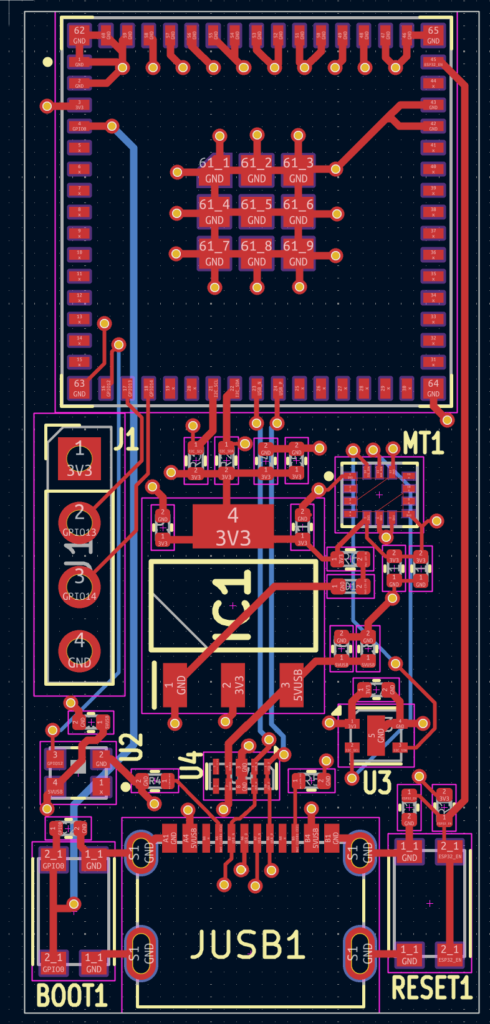
This week, our team began the process of getting our newly redesigned PCB manufactured. After finalizing the layout, we gathered all the necessary fabrication files and prepared them for submission.

Using KiCad, we exported the required Gerber files, drill files, and fabrication documentation. Once everything was organized and verified, we reached out to PCBWay to begin the ordering process. This included confirming board specifications, selecting materials and thickness, and ensuring our double-sided design met their manufacturing guidelines.

With all files prepared and communication underway, our board is now officially in the ordering pipeline. We’re excited to take this next step toward bringing the updated Conflō hardware to life.

More updates once the boards ship!

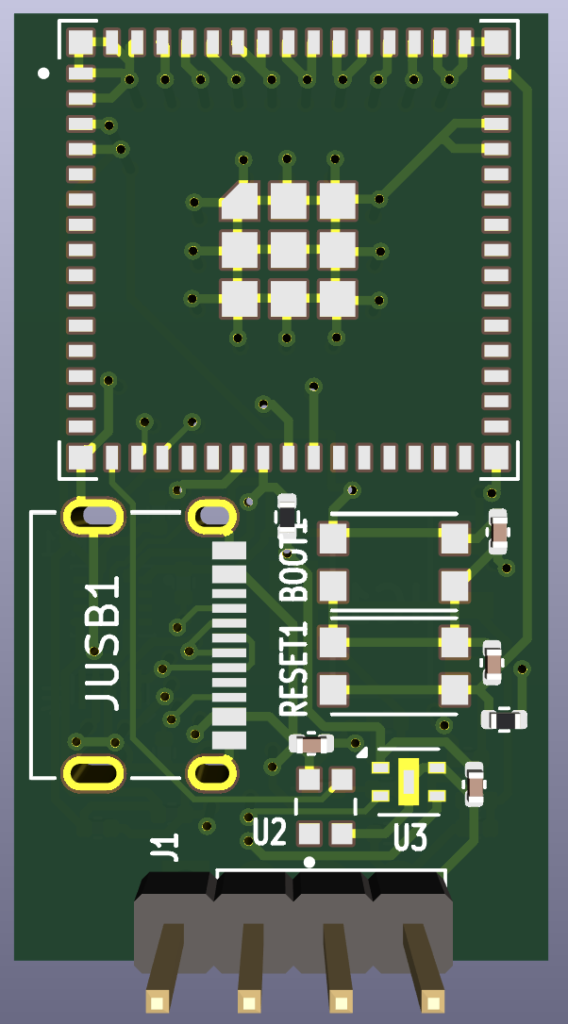
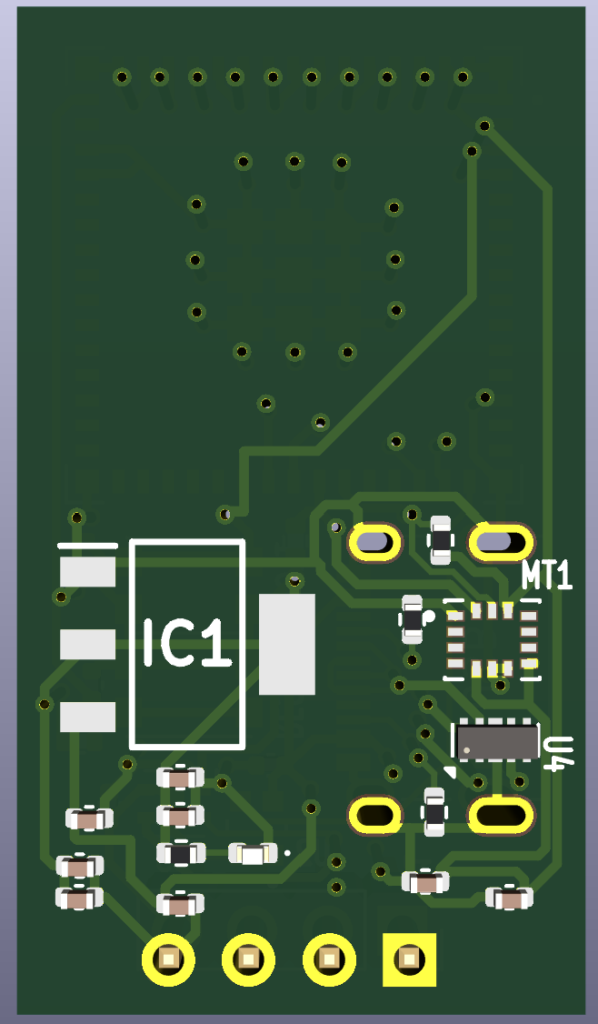
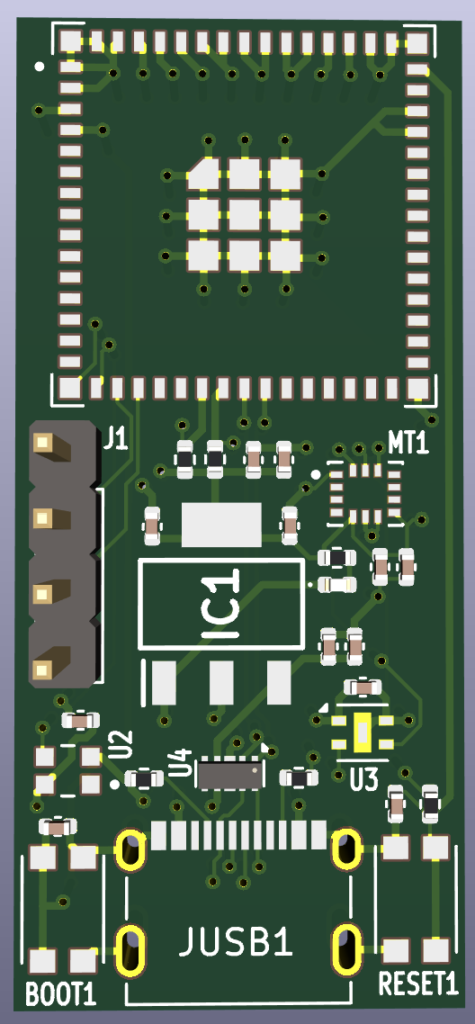
Designing a Smaller, More Compact Double-Sided PCB (10/3/2025)

As part of our ongoing improvements to the embedded module platform, our team has begun redesigning the original board into a much smaller and more efficient form. One of the biggest upgrades we’re implementing is the move to a double-sided PCB layout.

By placing components on both sides of the board, we’re able to:

  • Significantly reduce the overall footprint
  • Improve routing efficiency and shorten trace lengths
  • Create a cleaner, more organized component layout
  • Open up space for future module expansions and add-ons

This redesign makes the platform more practical for real-world IoT and sensing applications where size, cost, and flexibility matter.

The compact double-sided layout represents a major step forward in making the Conflō platform more professional, scalable, and production-ready. We’ll share more detailed progress as the board moves toward final routing and fabrication.

More updates to come!

Learning the Legacy Board in KiCad (9/25/2025)

Over the past week, our team has spent time exploring and understanding the PCB design passed down from the previous Legacy group. Their original hardware served as the foundation for our embedded module platform, so getting familiar with their work was an important first step before we begin our redesign.

Using KiCad, we examined the full board layout, schematic structure, routing decisions, and component organization. This gave us valuable insight into how the system was originally intended to function and helped us identify areas for improvement.

This hands-on analysis will guide our upcoming redesign, including our updated double-sided board layout and improvements planned for the next version of the Conflō platform.

More updates coming soon!